Never microwave plastic containers, even those labeled “microwave safe”—heat accelerates leaching of phthalates and bisphenols into food
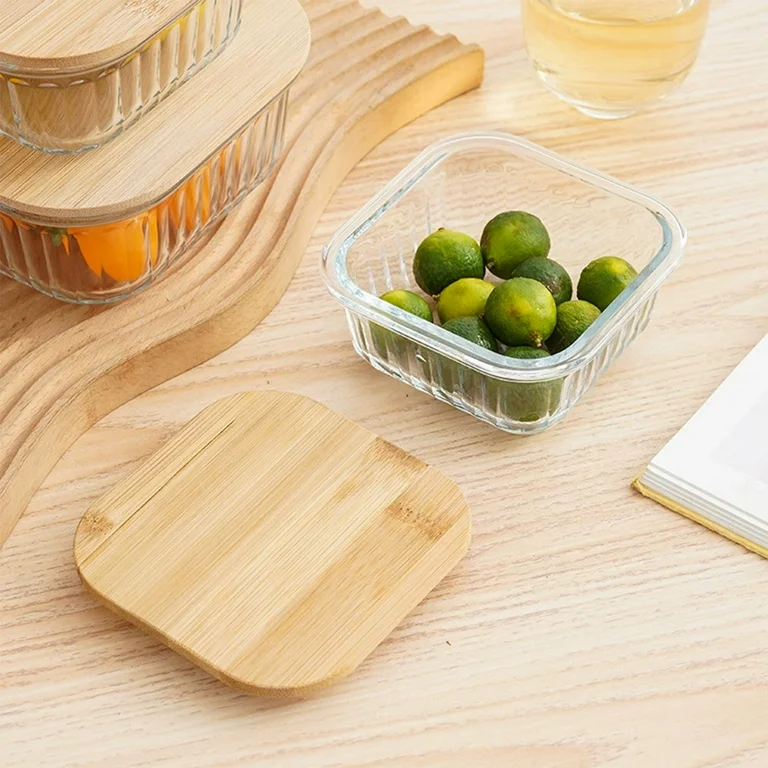
Transfer leftovers to glass or ceramic containers; mason jars work perfectly for dorm storage
Avoid storing acidic foods (tomato sauce, citrus) or fatty foods (cheese, oils) in plastic, as both accelerate chemical migration
Replace old, cloudy, or scratched plastic containers—degraded plastic leaches more readily
Use beeswax wraps or silicone lids instead of plastic wrap when possible
Store cooking oils in dark glass bottles away from heat and light to prevent oxidation
Canned & Packaged Foods
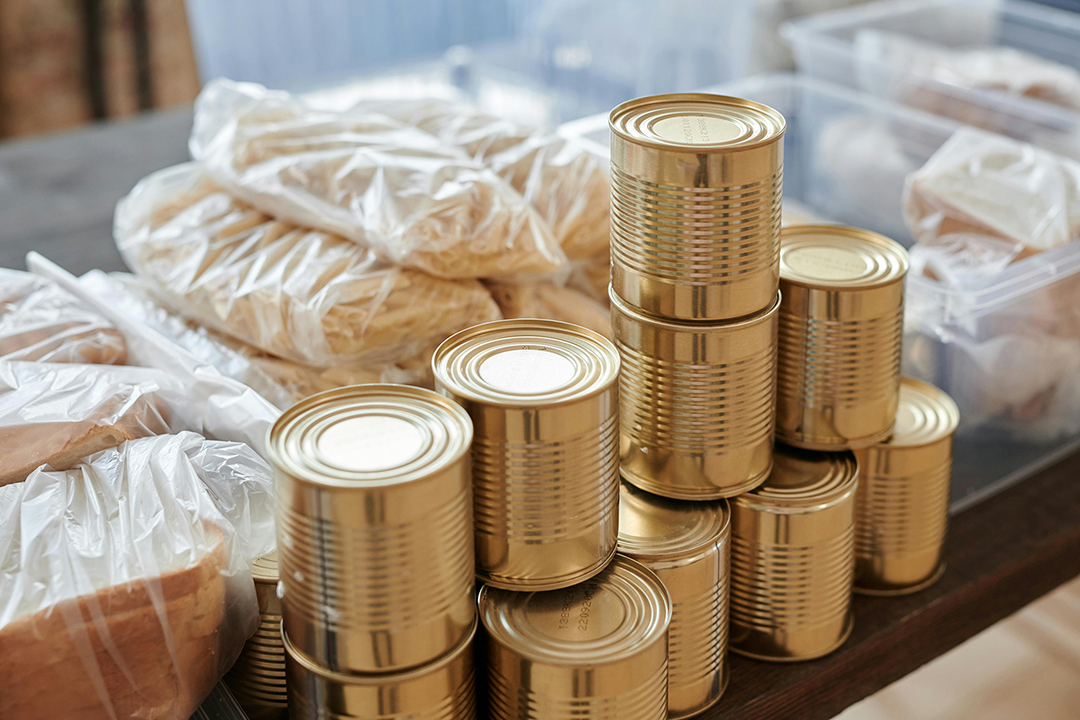
Choose cans labeled “BPA-free” when available, or opt for foods in glass jars or Tetra Paks
Rinse canned goods to reduce both sodium and residual compounds from can linings
Avoid cans that are dented, bulging, or rusted
Check expiration dates—older cans have longer exposure time between food and lining
Water
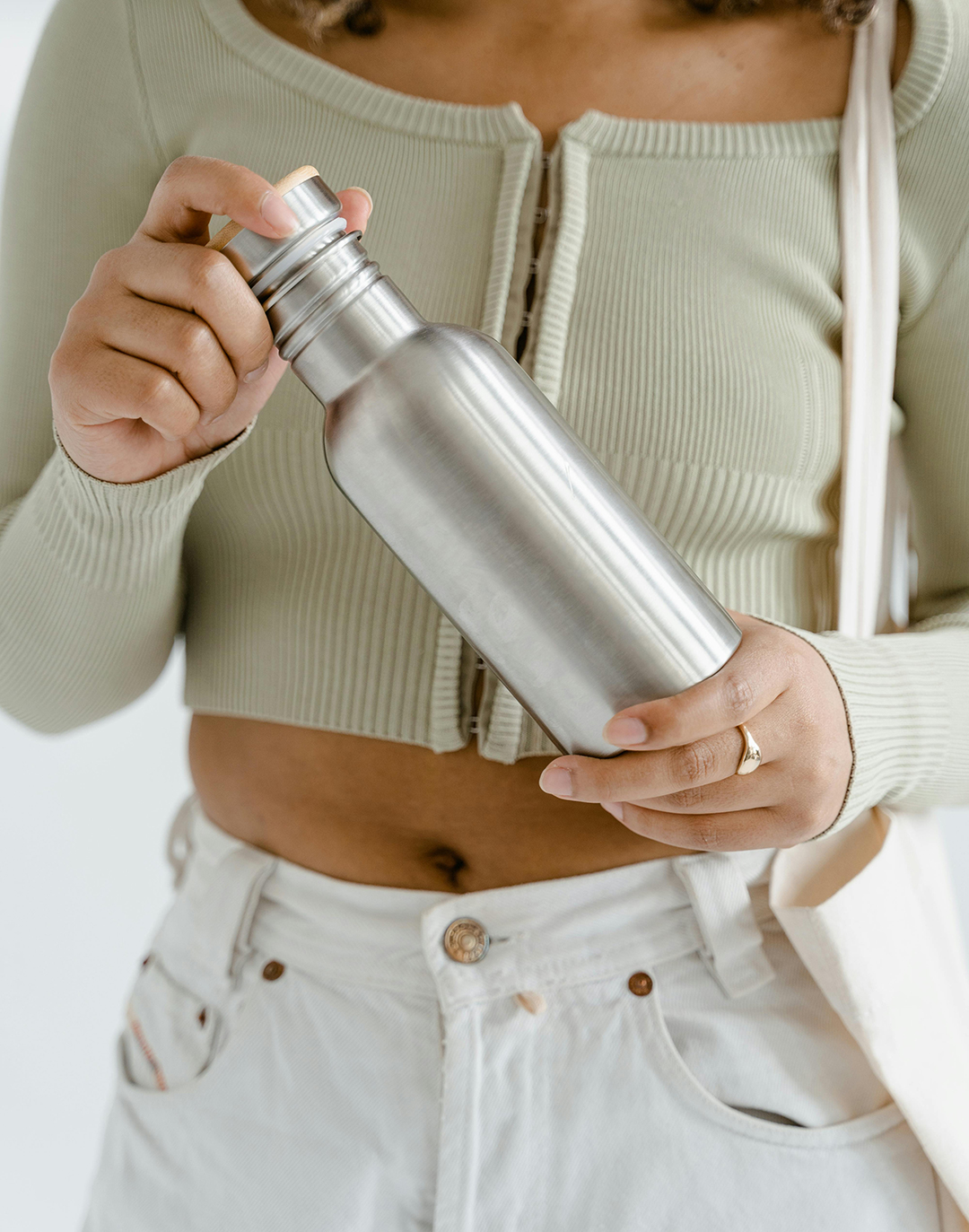
Use a stainless steel or glass water bottle rather than plastic
A basic activated carbon filter (like a Brita) removes chlorine, some heavy metals, and improves taste
If your building has old pipes, run the tap for 30 seconds before filling your bottle in the morning to flush standing water.
Food Preparation
Wash all produce, including pre-washed greens—a vinegar-water soak (1:3 ratio) is more effective than water alone at removing pesticide residues
Peel non-organic produce when practical, especially apples, cucumbers, and potatoes
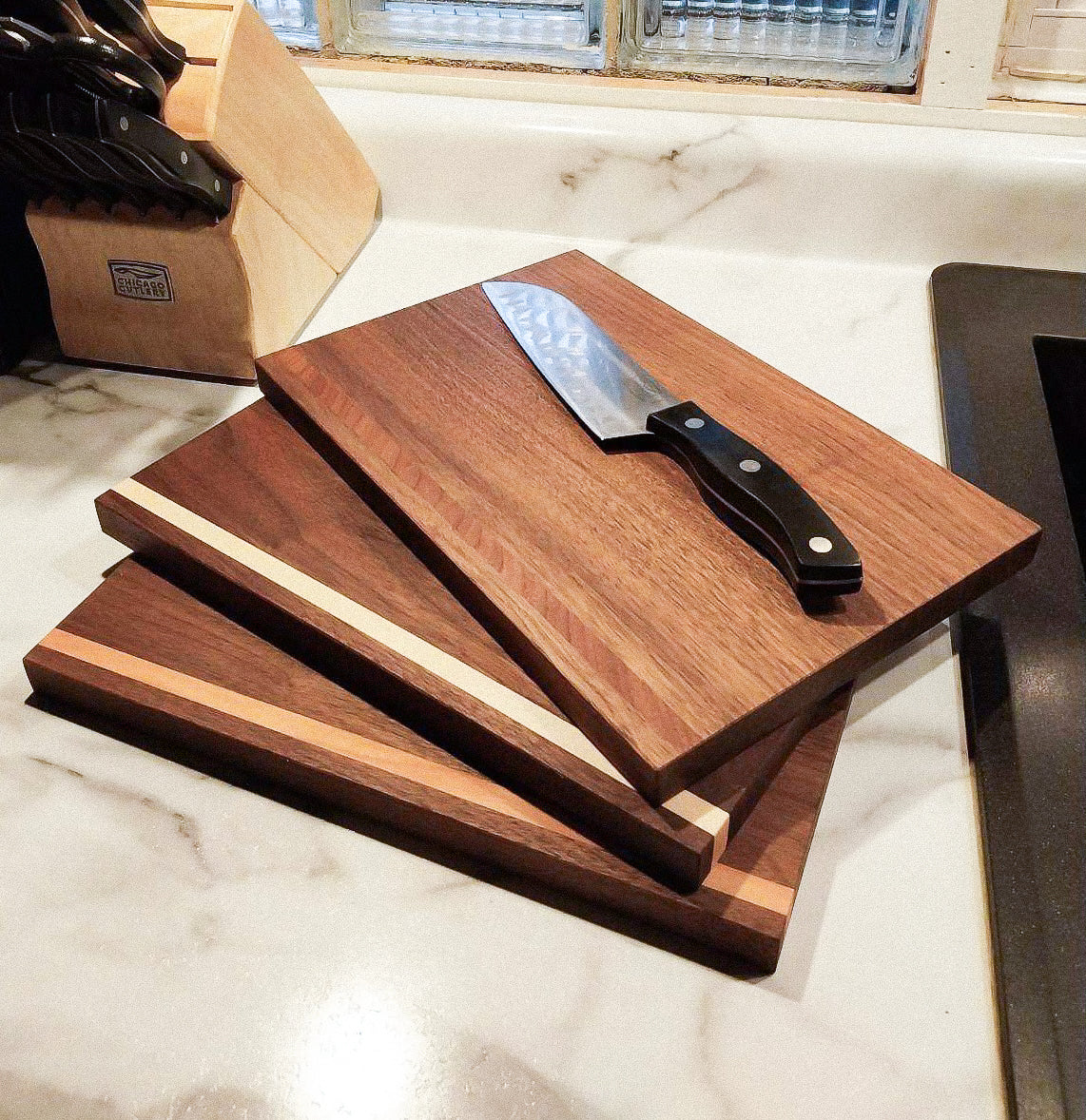
Use wooden or bamboo cutting boards rather than plastic, which harbor bacteria in cuts and can shed microplastics
Clean sponges frequently (microwave damp sponges for 90 seconds) or switch to silicone scrubbers that dry faster and resist bacterial growth
Cooking Practices
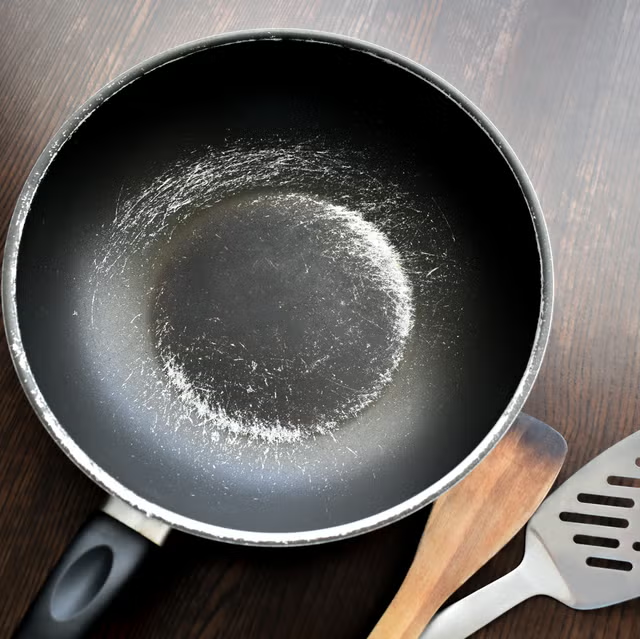
Scratched nonstick pans can release chemicals called PFAS into your food, which have been linked to increased cancer risk—so toss them when they’re damaged and switch to stainless steel or cast iron.
When sautéing at high heat, use oils with high smoke points (avocado, refined coconut) rather than olive oil, which oxidizes
Minimize charring meat; when grilling or pan-searing, marinades containing rosemary, thyme, garlic, or acidic ingredients reduce heterocyclic amine formation by up to 90%
Steam or roast vegetables rather than frying when possible to preserve nutrients and avoid oil degradation
Air Quality
A small HEPA air purifier is worth it, especially in older buildings
Open windows when you can, even briefly—even 10 minutes of cross-ventilation significantly reduces indoor pollutant concentration
Avoid burning candles constantly in small spaces (occasional is fine)—if you love candles, choose soy or beeswax with cotton wicks over paraffin, which releases benzene and toluene
Skip plug-in air fresheners and aerosol sprays; they emit volatile organic compounds (VOCs)—use essential oil diffusers sparingly or simmer citrus peels on the stove instead
Dust surfaces with a damp cloth rather than dry dusting, which just redistributes particles into the air
Vacuum with a HEPA-filter vacuum if possible; regular vacuums can blow fine particles back into the room
Keep indoor plants like pothos, spider plants, or snake plants—they modestly improve air quality and regulate humidity
Avoid drying clothes indoors without ventilation; it increases humidity and mold risk
Run bathroom fans during and 15 minutes after showers to prevent mold growth
Personal Care
Check your sunscreen, deodorant, and lotions for parabens and phthalates if you want to minimize endocrine disruptors—EWG’s Skin Deep database is a quick lookup tool
Wash new clothes before wearing them—manufacturers treat fabrics with formaldehyde-based resins for wrinkle resistance and various dyes and finishing chemicals; one wash removes a significant portion of these residues, and two washes is even better for items worn close to skin
Choose fragrance-free products when possible; “fragrance” on a label can contain dozens of undisclosed chemicals
Swap antibacterial soaps containing triclosan for regular soap—triclosan is an endocrine disruptor and no more effective than plain soap
Check nail polish for the “toxic trio” (formaldehyde, toluene, dibutyl phthalate) and choose brands that exclude them
Replace plastic loofahs with natural sponges or cotton washcloths—plastic loofahs harbor bacteria and shed microplastics
Let dry cleaning air out for 24 hours before putting it in your closet; perchloroethylene (perc) used in dry cleaning is a probable carcinogen
Store cosmetics away from heat and sunlight, and toss expired products—preservatives break down over time, allowing bacterial growth and chemical degradation